Category: African Affairs

  • ZAMBIA Africa Impact Investment Summit 2026: The Continent Stands to Gain

    ZAMBIA Africa Impact Investment Summit 2026: The Continent Stands to Gain

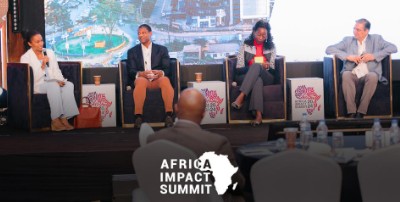
    The Africa Impact Investment Summit (AIIS) returns to the continent in June 2026, anchored in Lusaka, Zambia, at the Ciela Resort from 10 to 12 June. Under the theme “Beyond Borders: Scaling Impact and Innovation for Africa’s Sustainable Transformation,” the summit convenes policymakers, investors, entrepreneurs, civil society actors, and development practitioners from across Africa and beyond. For those of us working at the intersection of technology, governance, and sustainable development, this is not simply another conference on the calendar. It is a deliberate gathering of people who understand that Africa’s development challenge cannot be solved by aid flows alone, and who are prepared to build the systems, relationships, and frameworks that make transformative investment possible. The Center of Artificial Intelligence and Sustainable Development www.CAISD.co.za based in Pretoria will be in attendance with and\ considers this summit a strategic priority, and what the broader development community stands to gain from being in the room.

    The Summit and Its Architecture

    The Africa Impact Investment Summit is hosted by the Africa Impact Investing Group (AIIG), a multi-country network affiliated with the Global Steering Group for Impact Investing (GSG). Established in May 2022 in Turin, Italy, the AIIG brings together national partners from Kenya, South Africa, Ghana, Nigeria, and Zambia, with a mandate to accelerate the deployment of impact capital across the continent.

    The summit is co-anchored by NABII Zambia, the National Alliance for Business Impact Investing, which has been building the country’s impact investing infrastructure with notable consistency. The choice of Lusaka as the 2026 host is analytically significant. Zambia sits at an interesting developmental juncture. It has navigated a difficult debt restructuring process, is rebuilding fiscal headroom, and is simultaneously trying to position itself as an innovation-friendly economy. The summit arrives at a moment when domestic appetite for structured impact investment is growing, and when international capital is actively looking for credible entry points into the Southern African market.

    Why CAISD Thinks This Summit Is Worth It

    Our institutional calculus is straightforward. We go where decisions are being shaped, where frameworks are being negotiated, and where relationships that translate into action can be built. The AIIS meets all three criteria, and the 2026 edition does so with particular force. The summit’s thematic focus on scaling innovation and crossing borders maps directly onto CAISD’s core mandate. Africa’s sustainable development challenge is fundamentally a governance and systems problem, not merely a funding shortfall. Across the continent, promising innovations in agriculture, health, education, and financial inclusion are failing to scale not because the ideas are weak, but because the institutional environment, the regulatory frameworks, the data infrastructure, and the investment pipelines needed to sustain them remain fragmented and underdeveloped. CAISD exists precisely to address this gap, and the AIIS is the kind of convening where that argument can find a receptive audience.

    CAISD is advancing several initiatives, including a precision agriculture and AI pilot in Vanderbijlpark, a university innovation partnership with UNDP Zambia, and a continental AI governance programme, all of which require the kind of blended finance, patient capital, and institutional co-investment that impact investors at this summit are positioned to provide.

    Innovation as a Development Strategy

    One of the most substantive threads running through this summit will be the work of UNDP in Zambia, and it deserves analytical attention rather than a passing mention. UNDP has evolved significantly in recent years from a traditional grant-making and technical assistance body into an active architect of innovation ecosystems. In Zambia, this shift is visible in programmes designed to connect university talent with digital tools, entrepreneurship support, and seed capital in ways that build long-term institutional capacity rather than short-term project outputs.

    The UNDP UniPod model is a case in point. Embedded within university of Zambia (UNZA) campus, UniPods are designed to democratise access to innovation infrastructure, giving students and young researchers the space, connectivity, mentorship, and early-stage funding they need to convert ideas into viable enterprises. CAISD is engaged with this model through our partnership with UNDP Zambia, and the evidence from early implementation is instructive. The constraint on African innovation is rarely a shortage of ideas. It is the absence of structured pathways from ideation to prototyping to market entry, combined with a policy environment that has not yet caught up with the pace of technological change.

    UNDP’s Africa Market Insights Report adds a further analytical layer, providing systematically gathered data on where private sector investment opportunities align with development priorities across ten African economies. For impact investors navigating a continent where information asymmetries are significant and due diligence costs are high, this kind of evidence infrastructure is not a nice-to-have. It is a prerequisite for responsible capital deployment, and UNDP’s willingness to produce and share it publicly is one of the more underappreciated contributions it makes to the continent’s development ecosystem.

    AI, Innovation, and the Investment Frontier

    For CAISD, the summit also advances a specific and urgent argument that artificial intelligence is not a future consideration for African development. It is a present-tense investment frontier that demands immediate governance attention. Across precision agriculture, financial inclusion, healthcare diagnostics, and education technology, AI-enabled solutions are already demonstrating measurable development returns in African contexts. The question is no longer whether AI will shape Africa’s development trajectory. It is whether the continent will build the regulatory frameworks, data governance standards, and institutional capacity to ensure that it does so equitably and sustainably.

    Impact investors who enter the AI space without engaging these governance questions risk financing systems that entrench inequality rather than reduce it. Algorithmic tools trained on unrepresentative data, deployed in contexts without accountability mechanisms, and scaled through investment vehicles that prioritise financial returns over social outcomes can cause real harm at speed and at scale.

    The Summit Is Where You Need to Be

    The AIIS is one of a very small number of convening spaces on the continent where the full architecture of impact investing, spanning national policy, institutional frameworks, enterprise pipelines, and capital markets, is in the same room at the same time. The Africa Impact Investing Awards, the UNDP-hosted side events, and the bilateral dialogue spaces collectively create conditions for the kind of multi-stakeholder alignment that no single organisation can manufacture on its own. For practitioners, policymakers, and investors who are serious about Africa’s development, Lusaka in June is not optional. It is where the work gets done.

  • The Digital Accelerant. How Social Media Algorithms Are Deepening South Africa’s Xenophobia Crisis

    The Digital Accelerant. How Social Media Algorithms Are Deepening South Africa’s Xenophobia Crisis

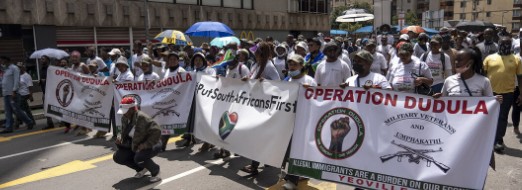
    PRETORIA, 29 May 2026. Days after Africa Day passed in the shadow of boycotts and repatriations, South Africa is confronting an uncomfortable truth about the crisis unfolding within its own borders. On 25 May, the day the continent traditionally affirms its unity, African ambassadors refused to attend South Africa’s official celebrations, citing safety concerns. Nigeria and Ghana had already begun repatriating their citizens. At least seven people were dead. The movements behind the violence, March and March and Operation Dudula, swept through Johannesburg, Pretoria, and Durban, leaving fractured communities, destroyed businesses, and formal diplomatic complaints from Nigeria, Ghana, and Mozambique in their wake. A United Nations warning drew international headlines. The algorithm did not start this fire. But it is fanning it, and it will keep doing so until media algorithms are held accountable, communities are equipped to resist manipulation, and policymakers choose evidence over the applause of the crowd.

     A country that presents itself as the gateway to Africa is being watched with alarm by the very neighbours it claims to lead. The answer to why this is happening now, and with such intensity, lies at the intersection of economic frustration, political orchestration, and a digital ecosystem engineered to reward outrage. South Africa’s 2022 census shows migrants make up just 3.9 percent of the population, roughly 2.4 million people in a nation of 62 million. The country is not being overrun. It is, however, in acute economic pain, and in the age of social media, pain travels fast.

    Legitimate Grievances, Distorted by Design

    The Centre of Artificial Intelligence for Sustainable Development www.caisd.africa , one of the many centres in the continent working to harness the role of technology to achieve development, pinpoint the role technology plays in exacerbating the antipathy without dismissing the frustrations of South African nationals. To do so would be dishonest and counterproductive. The official unemployment rate stood at 32.7 percent in the first quarter of 2026, with more than 8.1 million people without work and youth unemployment reaching a staggering 57 percent. These are lived realities in communities that have spent three decades waiting for economic transformation.

    Against this backdrop, the visible economic presence of foreign nationals creates friction that is psychologically real, even where it is statistically misread. Statistics South Africa data shows that foreign nationals carry an employment absorption rate of 64 percent, compared to 37.7 percent for South African-born workers, and in some townships they own up to 40 percent of informal businesses. A 2025 Human Sciences Research Council survey found that 42 percent of South Africans would welcome no immigrants, while 77 percent agreed that immigrants increase crime. The crime link is not supported by evidence, but these numbers reveal something significant: a large portion of the population has already been persuaded by a narrative. The critical question is who built that narrative, and how was it distributed so effectively?

     The Algorithm: Not the Cause, but the Accelerant

    The social media platforms most South Africans use daily, including Facebook, TikTok, X, WhatsApp and YouTube, are not neutral infrastructure. They are built around a single commercial objective: sustained engagement. Decades of research, including internal studies from Meta, show consistently that the content most likely to sustain engagement is content that provokes anger.

    Anger travels. A video of a foreign national behaving badly, stripped of context, spreads further and faster than any evidence-based article about what immigrants contribute to the economy. In the lead-up to the 2026 protests, populist leaders and influencers circulated incendiary content without context. Those videos were algorithmically rewarded with reach, shared into WhatsApp groups where factchecking is practically impossible, and broadcast live on platforms that amplified these movements before any journalist had assessed whether their claims were truthful.

    Research on South African electoral cycles reveals a consistent and troubling correlation: xenophobic discourse spikes reliably in the approach to local elections, in 2016, 2019, 2020, and now 2026, with local government elections scheduled between November 2026 and January 2027. Xenowatch data confirms the trajectory, with recorded incidents rising from 58 in 2020 to a peak of 110 in 2022, before climbing again to 83 in 2024. The algorithm does not cause xenophobia. But it is extraordinarily effective at timing it, scaling it, and normalising it.

    The Dark Labs: Organised Narrative Operations

    Beyond algorithmic mechanics lies something more deliberate. There is growing evidence of what we at CAISD terms “coordinated narrative architecture”: the strategic seeding of divisive content by small, well-resourced operations, some functioning entirely outside South Africa. These are not spontaneous expressions of public anger. They are manufactured interventions, exploiting the fact that, if enough accounts share the same message within a narrow window, platforms will push it to audiences who were never searching for it.

    This is a documented feature of contemporary information warfare, evidenced in Brexit, in the United States during the 2016 election cycle, and increasingly in African political contexts. When mainstream media then covers these movements without adequately challenging their claims, including the demonstrably false assertion that some youths purported to be undocumented migrants are not entitled to public healthcare and education under South African law, it lends those claims a credibility they do not deserve.

    Evidence, Policy, and the Way Forward

    The World Bank’s studies of South African labour markets have found that immigrants are net contributors to job creation. Foreign-owned enterprises sustain supply chains that employ South Africans. South Africa’s chronically low GDP growth of between 0.6 and 1.3 percent annually is a structural problem rooted in energy infrastructure failure, skills deficits, investor uncertainty, and governance weaknesses that predate every foreign-owned spaza shop in the country. Deporting 2.4 million people will not build a single power station, train one additional nurse, or resolve the Eskom crisis.

    The government has a legitimate mandate to enforce immigration law, process permits efficiently and protect South African workers. What is far more troubling is when the tone of official policy pronouncements begins to track the mood of protests rather than the weight of evidence. That convergence, historically, is where crises cross thresholds they cannot easily come back from.

    CAISD’s call is therefore clear. Social media platforms must be held accountable for algorithmic amplification of xenophobic content, including through multilingual content moderation. Digital literacy must become a civic priority. Counter-narratives must be deployed as strategically as the narratives they counter, because facts alone do not go viral, but stories do. And African governments and civil society must speak with one continental voice, because the diplomatic rupture South Africa is experiencing today is a warning of what silence costs the entire continent.

  • Addis Ababa 2026: Insights from the 39th African Union Summit and Pathways to Agenda 2063 Delivery

    Addis Ababa 2026: Insights from the 39th African Union Summit and Pathways to Agenda 2063 Delivery

    By Taurai Chiraerae with the inputs of CAISD research Team

    The 39th Ordinary Session of the African Union (AU) Summit, held in Addis Ababa, Ethiopia, from February 14-15, 2026, convened under the theme “Assuring Sustainable Water Availability and Safe Sanitation Systems to Realize the Goals of Agenda 2063“. This gathering of Heads of State and Government addressed pressing continental challenges amid geopolitical tensions, institutional fragility, and the need for African-led solutions. While the primary focus was on water security as a foundation for public health, food security, and stability, the summit also emphasized broader priorities like peace, economic integration through the African Continental Free Trade Area (AfCFTA), climate resilience, digital transformation, and health sovereignty. These discussions aligned with Agenda 2063’s vision for an integrated, prosperous Africa, highlighting the role of innovative technologies in sustainable development (African Union, 2026b; African Union, 2026c).

    A key deliverable was the launch of the Africa Water Vision 2063 and Policy, which provides a strategic framework for water governance, infrastructure investment, and sanitation improvements across member states (African Union, 2026d; African Union, 2026e). This initiative directly touches CAISD’s Agriculture theme by promoting adaptive strategies against droughts, desertification, and environmental degradation, where AI-driven tools like satellite imagery and IoT can enhance predictive modeling for water resource management. Leaders adopted an implementation framework to operationalize the theme, addressing an annual investment shortfall in water and sanitation to meet SDG 6 targets. This emphasis on resilient systems fosters sustainable economic transformation, echoing CAISD’s focus on harnessing AI for environmental sustainability and human security in Africa (African Union, 2026f).

    The summit advanced health sovereignty through the launch of ACHIEVE Africa, a research and development engine aimed at vaccine and therapeutic self-reliance, alongside broader commitments to transition to the Africa Health Security and Sovereignty (AHSS) Agenda (African Union, 2026g; Africa CDC, 2026). This deliverable intersects with CAISD’s Healthcare Systems theme, as it calls for regulatory harmonization, technology transfer, and data governance—areas where AI can optimize predictive maintenance, credit scoring for health financing, and ethical governance to ensure inclusive access. Priorities included integrating health financing into national plans, mobilizing domestic resources via digitized tax administration and innovative instruments like debt-for-health swaps, thereby reducing dependency and building resilient healthcare infrastructures across the continent (United Nations Economic Commission for Africa, 2026).

    Finally, commitments to sustainable agriculture and digital transformation under AfCFTA were highlighted, with calls for modern agribusiness via the Comprehensive Africa Agriculture Development Programme (CAADP) and initiatives like the Great Green Wall for climate-smart practices (African Union, 2026c; African Union, 2026h). These deliverables align with CAISD’s Agriculture and Data Management themes by advocating AI applications in precision farming, yield prediction, and secure data ecosystems to boost intra-African trade and reduce food imports. The summit’s push for ethical AI adoption, digital public services, and equitable skills access further supports Fintech innovations for unbanked populations, positioning Africa as a leader in AI-driven sustainable growth while preserving policy space for industrialization and economic diversification.

    The Science, Technology, and Innovation (STI) Week 2026

    The STI Week 2026, held in Addis Ababa, Ethiopia, from February 10-12, served as a pivotal platform for advancing Africa’s innovation agenda, directly complementing the priorities outlined at the 39th African Union Summit (United Nations Economic Commission for Africa, 2026; African Union Development Agency-NEPAD, 2026a). Organized by AUDA-NEPAD and the African Union Commission, the event featured the launch of the STISA-2034 Implementation Plan, the Africa EdTech 2030 Vision and Plan, and the AUDA-NEPAD EdTech Policy Initiative, emphasizing coordinated action to strengthen science systems, accelerate digital transformation, and drive inclusive development (National Commission for Science and Technology, 2026; Science Granting Councils Initiative, 2026). These initiatives echo the Summit’s focus on water security and climate resilience by promoting STI-driven solutions for sustainable resource management, such as AI-enhanced predictive tools for drought mitigation, while aligning with health sovereignty goals through technology transfer and innovation in vaccine production. Furthermore, the event’s emphasis on integrating STI across sectors supports the Summit’s commitments to sustainable agriculture under CAADP and AfCFTA, fostering modern agribusiness and reducing food import dependency via digital innovations.

    Building on these linkages, STI Week 2026 directly resonates with the CAISD’s core themes, positioning AI as a catalyst for addressing continental challenges (Centre for Artificial Intelligence and Sustainable Development, n.d.; African Union Development Agency-NEPAD, 2026b). For instance, the week’s spotlight on digital transformation and ethical AI adoption aligns with CAISD’s work in Climate Resilience and Data Management by advocating for AI applications in water governance and environmental monitoring, as seen in adaptive strategies against desertification that build on the Africa Water Vision 2063. Similarly, discussions on health financing and regulatory harmonization intersect with CAISD’s Healthcare Systems theme, where AI can optimize data governance and predictive analytics for equitable access, mirroring the ACHIEVE Africa initiative. In agriculture, the push for precision farming and secure data ecosystems during STI Week reinforces CAISD’s Agriculture focus, enabling AI-driven yield predictions and fintech solutions to empower unbanked farmers, ultimately advancing Agenda 2063’s vision for an AI-empowered, sustainable Africa.

    Assessments of the 39th African Union Summit’s Effectiveness in Addressing Africa’s Development Challenges

    Independent analysts have offered a cautiously optimistic yet critical assessment of the 39th African Union Summit, praising its ambition in elevating water security, conflict prevention, AfCFTA commercialisation, and global positioning while highlighting persistent gaps between declarations and delivery. Asso Desire (2026) described the summit as revealing “Africa’s rising leverage and its persistent institutional fragility,” noting strong decisions on an Extraordinary Summit for conflict prevention, AI roadmaps, and critical minerals value chains, yet warning that financing remains “unfinished business” with member states covering only 24% of the AU budget. The Institute for Foreign Affairs (2026) echoed this by stressing that the institution’s credibility now hinges on an “implementation-first” approach, arguing that without results-based benchmarks and enforcement the 2026 water and sanitation theme risks becoming another ceremonial milestone rather than a driver of Agenda 2063.

    Critics further question whether the summit sufficiently prioritised core development challenges amid geopolitical turbulence and ongoing conflicts. Decode39 (2026) observed that discussions on security, industrialisation, and AfCFTA dominated, sidelining deeper engagement with the official water theme and exposing the AU’s cautious stance on accountability and disputed elections. The Institute for Security Studies (2026) convened a post-summit seminar explicitly asking “does the AU focus on the right priorities?” in a world of uncertainty, pointing to funding shortfalls for peace operations and slow translation of commitments into tangible outcomes on peace, security, and sustainable development. These sources collectively note that while the summit advanced frameworks for economic integration and self-financing, unresolved conflicts in Sudan, the Sahel, and eastern DRC continue to undermine broader progress on human security and resilience.

    Overall, external observers agree that the summit demonstrated growing African agency on the global stage but fell short of delivering transformative effectiveness without rigorous follow-through. Asso Desire (2026) concluded that “if implementation follows intent, this Summit may be remembered as a historical moment; if not, it risks joining a long list of well-drafted but weakly executed declarations.” The Institute for Foreign Affairs (2026) reinforced the need for a financing compliance scorecard and measurable targets to convert ambition into impact, while Decode39 (2026) warned that tangible results in integration, security, and development will ultimately determine the continent’s trajectory and credibility with partners. Without addressing these implementation and enforcement deficits, many analysts fear the summit’s potential to tackle Africa’s pressing development challenges will remain unrealised.

    AI as a Strategic Lever for AU Implementation: Recommendations from CAISD Co-Chair Dr Alexander Essome

    Having attended key side events and high-level dialogues on the margins of the 39th African Union Summit in Addis Ababa, Dr Alexander Essome, Co-Chair of the Centre for Artificial Intelligence and Sustainable Development (CAISD), advocates that the persistent gaps in implementation, enforcement, and financing identified by independent analysts (Asso Desire, 2026; Institute for Foreign Affairs, 2026) can be directly addressed through targeted AI applications. Drawing on CAISD’s expertise in ethical AI governance and data management, he proposes “the immediate deployment of continent-wide AI-powered compliance dashboards that provide real-time tracking of Summit commitments, including the Africa Water Vision 2063 and ACHIEVE Africa targets”. These dashboards, built on secure, interoperable data ecosystems, generate automated alerts, performance scorecards, and predictive analytics on budget execution, enabling AU member states and the Commission to shift from declarative ambition to measurable, results-based delivery within months rather than years.

    Dr Essome further advocates leveraging CAISD’s fintech and predictive analytics capabilities to close the AU’s chronic financing shortfalls, where member states currently cover only about 24% of the programme budget. By integrating AI-driven forecasting models with existing AfCFTA and CAADP platforms, governments can optimise domestic resource mobilisation, simulate debt-for-health and debt-for-climate swap scenarios, and identify high-impact investment pipelines with precision. “AI transforms financing from a recurring crisis into a programmable asset,” he states, highlighting how the application of machine learning to public financial management delivers efficiency gains in overall management. This approach raises the contribution ratio, attracts private and multilateral capital with transparent, verifiable return-on-impact metrics, and strengthens institutional autonomy.

    On translating peace and security commitments into operational reality amid ongoing conflicts and funding shortfalls for peace operations, Dr Essome advocates for CAISD-designed AI early-warning systems that fuse satellite imagery, climate data, and socio-economic indicators to predict conflict hotspots linked to water stress and agricultural failure (Institute for Foreign Affairs, 2026). These tools, aligned with CAISD’s Climate Resilience and Agriculture themes, feed directly into the AU’s Peace and Security Council, enabling proactive interventions and freeing resources consumed by protracted crises. By embedding ethical AI governance frameworks developed at CAISD, such systems ensure transparency and accountability, directly responding to calls for stronger enforcement mechanisms.

    Ultimately, Dr Essome positions CAISD as Africa’s premier institution for converting the Summit’s identified weaknesses into strengths through scalable, home-grown AI solutions. “Africa’s work across Healthcare Systems, Data Management, Fintech, and Ethical AI Governance demonstrates that the continent already possesses the technical mastery to design and deploy the very tools required for institutional transformation,” he concluded. By partnering with the AU Commission and AUDA-NEPAD to institutionalise these AI instruments, member states accelerate Agenda 2063 delivery, strengthen global credibility, and position Africa as the first continent to harness artificial intelligence for genuine institutional resilience and sustainable development (Centre for Artificial Intelligence and Sustainable Development, n.d.).

    References

    Africa CDC. (2026). Africa CDC at the AU Summit 2026. https://africacdc.org/au-summit-2026

    African Union. (2026a). The African Union elects new Chair of the Union for the year 2026 and prioritises water security at 39th Summit in Addis Ababa. https://au.int/en/pressreleases/20260214/au-elects-new-chair-union-year-2026-and-prioritises-water-security

    African Union. (2026b). 39th Ordinary Session of the Assembly of the African Union Concludes in Addis Ababa. https://au.int/en/pressreleases/20260215/39th-ordinary-session-assembly-african-union-concludes

    African Union. (2026c). The 39th Ordinary Session of the Assembly of the African Union at a Glance Water security is a strategic, development, peace, and climate issue. https://au.int/en/pressreleases/20260213/39th-ordinary-session-assembly-african-union-glance

    African Union. (2026d). AFRICA WATER VISION 2063 AND POLICY. https://au.int/sites/default/files/documents/46011-doc-EN-Africa_Water_Vision_2063_and_Policy.pdf

    African Union. (2026e). African Leaders Endorse and Launch the Africa Water Vision 2063 & Policy at 39th AU Summit. https://au.int/en/pressreleases/20260217/african-leaders-endorse-and-launch-africa-water-vision-2063-policy

    African Union. (2026f). African Union Summit Elevates Water and Sanitation as Central Pillar of Agenda 2063. https://au.int/en/pressreleases/20260223/african-union-summit-elevates-water-and-sanitation-central-pillar-agenda-2063

    African Union. (2026g). ACHIEVE Africa High-Level Breakfast and Leadership Dialogue. https://au.int/en/newsevents/20260215/achieve-africa-high-level-breakfast-and-leadership-dialogue

    African Union. (2026h). AU Commissioner Mataboge Briefs Media on Accelerating Delivery of Agenda 2063 Through Integrated Infrastructure Systems. https://au.int/en/pressreleases/20260213/au-commissioner-mataboge-briefs-media-accelerating-delivery-agenda-2063

    African Union Development Agency-NEPAD. (2026a). Africa’s STI Week 2026: Strengthening Science Systems. https://www.linkedin.com/posts/nepad-planning-and-coordinating-agency_stiweek2026-stiweek2026-stisa2034-activity-7426909565734236160-Qn1F

    African Union Development Agency-NEPAD. (2026b). Science, Technology & Innovation Week 2026 STIWeek2026 has opened with a strong signal. https://www.facebook.com/nepad.page/posts/science-technology-innovation-week-2026-stiweek2026-has-opened-with-a-strong-sig/1332350722255065

    Asso Desire. (2026, February 17). My 10 takeaways from the 2026 African Union Summit. https://assodesire.com/2026/02/17/my-10-takeaways-from-the-2026-african-union-summit/

    Centre for Artificial Intelligence and Sustainable Development. (n.d.). Centre for Artificial Intelligence and Sustainable Development | CAISD. https://caisd.africa

    Centre for Artificial Intelligence and Sustainable Development. (n.d.). About us. https://caisd.co.za/about-us

    Decode39. (2026, February 16). African Union summit highlights a continent under pressure seeking to shape the global agenda. https://decode39.com/13522/african-union-summit-highlights-a-continent-under-pressure-seeking-to-shape-the-global-agenda/

    Institute for Foreign Affairs. (2026, February 13). Beyond the Communiqué: The 39th AU Summit and the imperative of implementation discipline. https://www.ifa.gov.et/2026/02/13/beyond-the-communique-the-39th-au-summit-and-the-imperative-of-implementation-discipline/

    Institute for Security Studies. (2026, February 17). 39th AU summit outcomes: Does the AU focus on the right priorities? https://issafrica.org/events/39th-au-summit-outcomes-does-the-au-focus-on-the-right-priorities

    National Commission for Science and Technology. (2026, February 12). AUDA-NEPAD Hosts 2026 Science, Technology and Innovation (STI) Week. https://www.ncst.mw/auda-nepad-hosts-2026-science-technology-and-innovation-sti-week

    Science Granting Councils Initiative. (2026, February 13). SGCI phase 3: USD 42M boost for Africa’s STI agenda. https://sgciafrica.org/sgci-phase-3-usd-42m-boost-for-africas-sti-agenda

    United Nations Economic Commission for Africa. (2026, February 10). African Union STI Week 2026: ECA champions Africa’s innovation future through STISA-2034. https://www.uneca.org/stories/african-union-sti-week-2026-eca-champions-africa%E2%80%99s-innovation-future-through-stisa-2034

    United Nations Economic Commission for Africa. (2026). 2026 AU Summit – Remarks by Mr. Claver Gatete at the High-Level Side Event on Africa’s Health Sovereignty. https://www.uneca.org/stories/2026-au-summit-remarks-by-mr.-claver-gatete-at-the-high-level-side-event-on-africa%E2%80%99s-health
  • Africa’s Science Technology and Innovation (STI) week in Addis Ababa:

    Africa’s Science Technology and Innovation (STI) week in Addis Ababa:

    “AUDA-NEPAD and global organizations want to change the narrative and drive the continental transformation”

    By  Dr Alexandre D, Essome

    The African Union (AU) and the African Union Development Agency-New Partnership for Africa’s Development (AUDA-NEPAD), in collaboration with the African Union Commission (AUC), demonstrated strong leadership in advancing science, technology, and innovation (STI) as a central driver of continental transformation. The Science, Technology & Innovation (STI) Week, held February 10–12, 2026, in Addis Ababa alongside the 39th AU Summit, served as a high-level platform that brought together policymakers, researchers, innovators, development partners, and youth to accelerate the operationalization of the Science, Technology and Innovation Strategy for Africa (STISA-2034).

    The event delivered tangible milestones, including the official launch of the STISA-2034 Implementation Plan, the unveiling of AUDA-NEPAD’s EdTech Vision & Plan 2030, and commitments to mobilize resources for scalable, inclusive innovation. In a world of geopolitical tensions, AUDA-NEPAD seamlessly teamed up with academia, governments, international bodies, and private investors from the Global South, Europe, and America creating a multi-stakeholder ecosystem that functions as a unified front. Scholars, policymakers, and investors converged to align on STISA priorities, including science communication to combat misinformation. These partnerships amplify African agency, with participants from Asia sharing best practices that mirror Africa’s challenges and turning potential rivals into collaborators.

    The STISA-2034 Implementation Plan

    The STISA-2034 Implementation Plan serves as Africa’s roadmap for the next decade, shifting decisively from vision to action. It operationalizes five sectoral priorities agriculture, health, ICT and digital skills, energy, and environment alongside six cross-cutting enablers such as infrastructure, human capital, and partnerships. This framework rejects reliance on raw material exports and imported solutions, instead prioritizing indigenous industrialization, knowledge-to-wealth creation on African soil, and shared prosperity. A key highlight was AUDA-NEPAD’s ambitious target to mobilize up to $6 billion (with the full estimated cost of STISA-2034 at $6.8 billion) over the next 12 months.

    This funding push addresses urgent challenges like food insecurity, climate vulnerability, and technological competition by scaling solutions in areas such as Health Tech, EdTech, Space Tech, microchips, and infrastructure. AUDA-NEPAD’s leadership and CEO Nardos Bekele-Thomas emphasized in her address at the high-level diner gala that, “moving beyond pilot projects to concrete deeds, underscoring that Africa’s brain drain stems from underinvestment and can be reversed through targeted resources and political commitment” .

    Complementing this momentum, a landmark $42 million (CAD 57 million) commitment was announced for Phase 3 of the Science Granting Councils Initiative (SGCI), running from 2026 to 2030. AUDA-NEPAD will coordinate with national science councils to leverage domestic STI financing and public-private partnerships, promoting African ownership and sustainability. As South Africa’s Minister of Higher Education, Science and Innovation, Prof. Blade Nzimande, highlighted, increased domestic investment is crucial to reduce dependency and align resources with continental goals.

    Partnerships That Break Silos: The Hidden Power of Global Alliances

    This buy-in is evident: policymakers are on board, investors have expressed keen interest, and academia and private sectors are mobilized, as demonstrated by initial pledges such as the $42 million from the Science Granting Councils Initiative (SGCI).

    This collaboration challenges the narrative of Africa as a passive recipient, showing how cross-continental ties can mobilize resources, heighten the visibility of innovation’s urgency, and commit leaders to real change. The $42 million boost, announced during the STI Week, comes from a mix of international funders including Canada’s International Development Research Centre (IDRC), Norway’s government, the UK’s Foreign, Commonwealth and Development Office (FCDO), Wellcome Trust, Germany’s DFG, and South Africa’s National Research Foundation (NRF). This funding directly backs STISA-2034 priorities, specifically the SGCI’s third phase, explicitly supporting STISA-2034’s focus on sectors like agriculture, health, ICT, energy, and environment. Participants called for more African domestic investment to avoid dependency as highlighted by South Africa’s science minister Blade Nzimande. This represents tangible progress in resource mobilization, underscoring that international commitments are kickstarting the journey toward the full $6.8 billion needed.

    The CJED side event in a nutshell

    The Calestous Juma Executive Dialogue (CJED), co-organized by AUDA-NEPAD and Michigan State University, took place on February 12–13, 2026, at the Skylight Hotel in Addis Ababa. On Day 1 (moderated by Dr. Callista Rakhmatov), the program opened with welcoming remarks from senior AUDA-NEPAD and MSU representatives, followed by an overview and a keynote that l, Dr. Alexandre Essome, Co-Chair of the Centre for Artificial Intelligence and Sustainable Development (CAISD), addressed titled “The Future of Science Communication in Africa and the Global South”. The presentation framed science communication as essential infrastructure for building trust, shaping policy, and scaling innovation across the continent and beyond. In emphasis was the urgent need to transition from passive consumption of knowledge to active ownership, aligning communication strategies with STISA-2034 priorities.

    The talk highlighted mobile-first approaches, integration of indigenous knowledge into African-centric data systems, and the value chain of knowledge from mineral beneficiation to public trust in “Made in Africa” technologies. The other important call of CAISD was for institutional reforms to make science communication a core academic metric and stressed gender equity as a prerequisite for inclusive progress. My address concluded with a powerful call to action: “The world is listening. It is time to speak,” setting the tone for the dialogue’s focus on combating misinformation and strengthening capacity in health, agriculture, and environment sectors.

    Other morning sessions featured panels on science communication practices in Africa and Asia, while the afternoon included presentations of regional success stories (Africa, Asia, United States), open discussions, and interactive breakout groups focused on building capacity in health, agriculture, and climate/environment sectors. The day closed with theme-lead reports and reflections on progress and the agenda ahead. Day 2 began with a recap and moved into panels addressing misinformation in African and Asian contexts and exploring science communication tools and resources, with active youth involvement. Discussions followed, leading into lunch and breakout sessions on program and tool development. The afternoon featured a dedicated panel and workshop on the role of higher education institutions in science communication, health breaks, collective feedback, recommendations, and a way-forward presentation. The dialogue concluded with closing remarks from MSU and AUDA-NEPAD representatives, officially ending the 12th CJED and reinforcing science communication as a vital enabler for STISA-2034 implementation.

    Other key Events at the STI week

    Youth emerged as a central force, with initiatives like the Presidential Youth in AI & Robotics Competition challenging outdated stereotypes. The EdTech Vision & Plan 2030 reimagines digital learning as a systemic tool for equity and resilience, integrated with STISA’s enablers to empower learners and teachers through localized, interoperable solutions. Policy dialogues, including those under the Calestous Juma Executive Dialogue (CJED), emphasized reforms in higher education institutions for science communication and curriculum integration such as online agricultural science courses. These efforts tie directly into broader calls for domestic R&D investment and governance changes to embed STI across sectors.

    In summary, the 2026 STI Week marked a decisive shift from aspiration to implementation. With initial funding secured, partnerships solidified, and a clear roadmap in place, Africa is positioned to own its innovation narrative. The urgency is clear: by seizing this moment through collective action and sustained investment, the continent can reverse the brain drain, drive inclusive growth, and secure a self-sustaining future. The choice and the time are now.

    • Dr Alexandre D, Essome is a journalist the with 25 years of experience managing communication challenges and organizations for the United Nations. He is currently the Co-Chairs CAISD, a network connecting universities, civil society, government and private entities working to address Africa’s development issues through the leverage of technology and AI across the continent.

  • West Africa’s Digital Renaissance: Navigating Continental Blueprints and Regional Realities for Sustainable Development

    Compiled and Published by CAISD

    The West African sub-region stands at a pivotal juncture in the global artificial intelligence (AI) landscape. Digital innovation, particularly AI, is transitioning from an ancillary tool to a foundational element of macroeconomic resilience, sectoral productivity, and inclusive social progress. Amid the accelerating Fourth Industrial Revolution, Economic Community of West African States (ECOWAS) members are progressively aligning national priorities with continental frameworks to secure meaningful participation in AI-driven global value chains. This analysis, prepared by the Centre for Artificial Intelligence and Sustainable Development (CAISD), examines the implementation of African Union (AU) strategies, regional coordination mechanisms, and national trajectories, while highlighting persistent structural challenges and pathways to greater technological self-reliance (African Union, 2024a; Oxford Insights, 2025).

    The Continental Compass: Implementing AU Strategies

    West African governments actively engage with the Continental Artificial Intelligence Strategy (endorsed July 2024) and the Science, Technology and Innovation Strategy for Africa (STISA-2034) (launched 2025). These instruments provide harmonized guidance on ethical AI governance, risk mitigation, and sectoral applications, allowing resource-constrained states to adopt established best practices rather than developing them independently (African Union, 2024a; African Union, 2025). STISA-2034 prioritizes a shift toward a knowledge-based, innovation-driven economy, with emphasis on high-impact domains such as agriculture, health, and energy. The Continental AI Strategy advocates “Vertical AI” context-specific solutions addressing local realities, including predictive tools for agriculture and health systems. Data sovereignty remains central, reinforced by the Malabo Convention on Cybersecurity and Personal Data Protection, which counters risks of external exploitation and supports sovereign data governance (African Union, 2024a).

    Regional Realities and the ECOWAS Collaborative Landscape

    The Economic Community of West African States (ECOWAS) is advancing AI policy through its long-term ECOWAS Vision 2050, which identifies digital transformation and the digital economy as foundational pillars for regional integration, peace, security, and sustainable development (ECOWAS, 2021). A pivotal step forward occurred during the Thematic Dialogue on Digital Transformation, held in Lagos from 20 to 22 January 2026, where high-level stakeholders adopted a communiqué committing the region to the development of a Regional AI Governance Framework under Vision 2050 (Biometric Update, 2026; The Point, 2026). This framework aims to establish harmonized approaches to AI adoption, data management, ethical standards, cybersecurity, and risk mitigation including algorithmic bias, labour displacement, and the spread of misinformation (“information disorder”) while supporting the creation of a Regional Digital Single Market to reduce fragmentation and enable cross-border digital trade and innovation (ECOWAS, 2026; Businessday NG, 2026).

    Building on the Supplementary Act on Personal Data Protection (2010) one of Africa’s earliest comprehensive regional data protection instruments, the proposed framework seeks to maximise AI’s potential in high-impact sectors such as agriculture, health, education, governance, and public service delivery, while effectively addressing associated risks (ECOWAS, 2010). Complementary efforts include linguistic inclusion for French and indigenous languages (e.g., Wolof, Fongbe), pooled data resources, emerging infrastructure sharing (e.g., data centers in key hubs), and exploratory regulatory sandboxes for cross-border testing in fintech, health, and agriculture. By aligning closely with the African Union’s Continental Artificial Intelligence Strategy, and promoting linguistic inclusion, sovereign data management, and regulatory sandboxes, ECOWAS is positioning West Africa to transition from a technology consumer to an active participant and co-creator in the global AI ecosystem. The AU continues to provide the overarching strategic vision, while ECOWAS operationalizes localized integration through these concrete initiatives (African Union, 2024a; Biometric Update, 2026).

    West Africa ICT and AI Readiness Profile (2025–2026)

    CountryInternet Penetration (2026 Est.)AI Policy Status (2026)Govt AI Readiness Rank (2025)Technical Integration & Developmental Commentary
    Benin32.2%YES (SNIAM 2023–2027)90thDesignated the “Model Student” of AI policy; successfully deployed “JaimeMaLangue” for Fongbe NLP and automated land titles via GovTech AI.
    Burkina Faso17.0%NO (Aligning existing ICT laws)127thFocused on foundational digital infrastructure; currently identifying “Vertical AI” opportunities for agriculture.
    Cabo Verde73.5%Foundational Stage122ndHigh adoption coastal hub focusing on building data sovereignty and aligning with the AU Continental Strategy.
    Côte d’Ivoire40.7%YES (Strategy launched March 2025)95thLeading governance actor; established a regional AI Laboratory in Abidjan and mandated 40% female participation in AI research.
    Gambia, The45.9%Foundational Stage153rdAligning existing data protection laws with AU cybersecurity standards.
    Ghana69.9%YES (Ethics and educational focus)78th“Resource-Constraint Innovator” using satellite-linked AI to predict cocoa yields and detect crop diseases via COCOBOD.
    Guinea26.5%Foundational Stage183rdUtilizing regional collaboration by storing sovereign government data in neighboring Senegal’s cloud infrastructure.
    Guinea-Bissau32.5%High-Constraint State195thAI remains in academic/NGO pilot phases; prioritizing basic connectivity and power infrastructure.
    Liberia23.5%High-Constraint State189thInfrastructure deficits limit AI adoption to academic research.
    Mali35.1%Foundational Stage152ndParticipating in the “Francophone Data Ring” to store government records in regional data centers.
    Mauritania58.8%Foundational Stage138thAligning national ICT policy with AU Malabo Convention standards.
    Niger23.2%High-Constraint State184thFocusing on building basic internet and power layers.
    Nigeria44.9%YES (National AI Strategy 2024/25)70thDesignated Regional West African Compute Hub; leads the continent in NLP for Yoruba, Igbo, and Hausa and hosts 120+ active startups.
    Senegal60.6%YES (Plan Sénégal Émergent)96thRegional “Compute Hub” hosting sovereign clouds for neighbors; uses a national supercomputer for predictive climate modeling in Sahelian agriculture.
    Sierra Leone20.6%Foundational Stage175thPrioritizing data sovereignty and drafting an overarching national data strategy.
    Togo37.0%Foundational Stage124th“GovTech Innovator” using AI to digitize land titles to prevent property fraud and increase investment security.

    National AI Progress: Emerging Hubs and Policy Advances

    AI maturity remains heterogeneous, with coastal and resource-endowed states advancing faster amid widespread infrastructure and talent constraints.

    • Nigeria (Talent and Startup Hub): The 2025 National AI Strategy prioritizes ethical, inclusive adoption across finance, agriculture, and public services, supported by initiatives like 3 million Technical Talent upskilling (Federal Ministry of Communications, Innovation and Digital Economy, 2025).
    • Senegal (Infrastructure Focus): Advances in digital sovereignty through Diamniadio facilities enable sovereign data hosting and applications in climate-resilient agriculture.
    • Benin (Policy Pioneer): SNIAM 2023–2027 outlines comprehensive actions for ethical AI in key sectors (Ministry of Digital and Digitalization, Benin, 2023).
    • Côte d’Ivoire (Governance Emphasis): SNIA 2030 emphasizes investment, inclusion, and governance, including ethical labelling and rural connectivity (Ministry of Digital Transition and Digitalisation, Côte d’Ivoire, 2025).
    • Ghana (Sectoral Innovation): Focuses on resource-constrained applications, particularly agriculture, despite persistent challenges like cocoa swollen shoot disease.

    Strategic Recommendations: Bridging Gaps in Key Indicators (CAISD Perspective)

    West Africa exhibits low-to-mid readiness in global benchmarks, with strengths in policy emergence but pronounced gaps in infrastructure (compute/energy), talent retention, research output, investment, and enabling environments (Oxford Insights, 2025). CAISD recommends:

    1. Prioritize green compute by linking data centers to renewables, aligning with AU “Green Power for Compute” to build resilient infrastructure without grid strain (African Union, 2024a).
    2. Accelerate talent development through integrated curricula, national bootcamps, and retention incentives (e.g., startup grants, tech visas) to reach critical mass and counter brain drain.
    3. Deploy edge AI models on low-end devices for rural inclusion in low-connectivity contexts.
    4. Establish multi-stakeholder national AI ethics boards and regulatory sandboxes compliant with the Malabo Convention.
    5. Foster regional sovereign clouds and data-sharing mechanisms to enhance independence, reduce foreign biases, and support localized models.

    Conclusion

    West Africa possesses demographic and entrepreneurial advantages to leapfrog legacy systems toward AI-enabled sustainable development. Harmonizing Nigeria’s ecosystem dynamism, Senegal’s infrastructure progress, Benin’s policy rigor, and Côte d’Ivoire’s governance focus with AU and ECOWAS frameworks is essential. CAISD underscores that long-term success requires sustained investment in localized talent pipelines, inclusive policies, and foundational infrastructure to ensure AI delivers equitable benefits, particularly for vulnerable rural and agricultural communities (African Union, 2024a; Oxford Insights, 2025).

    References

    African Union. (2024a). Continental Artificial Intelligence Strategy: Harnessing AI for Africa’s Development and Prosperity. African Union Commission. https://au.int/sites/default/files/documents/44004-doc-EN-_Continental_AI_Strategy_July_2024.pdf 

    African Union. (2025). Science, Technology and Innovation Strategy for Africa (STISA-2034). African Union Commission. https://au.int/sites/default/files/documents/45087-doc-AU_STISA_2025-2034_Strategy_ENGLISH.pdf 

    Biometric Update. (2026, January 27). ECOWAS reflects on common approach to AI adoption, governance. https://www.biometricupdate.com/202601/ecowas-reflects-on-common-approach-to-ai-adoption-governance 

    Businessday NG. (2026, January 23). ECOWAS bets on AI, fintech to unlock growth for 400m West Africans. https://businessday.ng/news/article/ecowas-bets-on-ai-fintech-to-unlock-growth-for-400m-west-africans/ 

    ECOWAS. (2010). Supplementary Act A/SA.1/01/10 on Personal Data Protection within ECOWAS. https://www.ecowas.int/wp-content/uploads/2021/09/Supplementary-Act-on-Personal-Data-Protection.pdf 

    ECOWAS. (2021). ECOWAS Vision 2050: Towards a community of peoples. https://ecowap.ecowas.int/media/ecowap/file_document/2021_ECOWAS_2050_Vision_EN.pdf 

    ECOWAS. (2026). Thematic Dialogue on Digital Transformation Communiqué (January 2026). Economic Community of West African States. (Summarized in reports from Biometric Update, PRNigeria, and others; official ECOWAS sources pending full publication).

    Federal Ministry of Communications, Innovation and Digital Economy. (2025). National Artificial Intelligence Strategy. Nigeria. https://ncair.nitda.gov.ng/wp-content/uploads/2025/09/National-Artificial-Intelligence-Strategy-19092025.pdf 

    Ministry of Digital and Digitalization, Benin. (2023). Stratégie Nationale d’Intelligence Artificielle et des Mégadonnées (SNIAM) 2023–2027. https://numerique.gouv.bj/assets/documents/strategie-nationale-d’intelligence-artificielle-et-des-megadonnees-2023-2027.pdf 

    Ministry of Digital Transition and Digitalisation, Côte d’Ivoire. (2025). Stratégie Nationale de l’Intelligence Artificielle – SNIA 2030. https://www.telecom.gouv.ci/new/uploads/publications/174196670372.pdf 

    Oxford Insights. (2025). Government AI Readiness Index 2025. https://oxfordinsights.com/wp-content/uploads/2025/12/2025-Government-AI-Readiness-Index-2.pdf 

    The Point. (2026, January 30). ECOWAS adopts landmark digital roadmap at Lagos summit. https://thepoint.gm/africa/gambia/headlines/ecowas-adopts-landmark-digital-roadmap-at-lagos-summit 

  • United States of America 2025 National Security Strategy implications for Africa

    United States of America 2025 National Security Strategy implications for Africa

     By Taurai Chiraerae        The 2025 National Security Strategy (NSS) of the United States represents a fundamental departure from decades of established foreign policy. By moving away from what it describes as “vague platitudes” and “laundry lists of wishes,” the administration has proposed a “concrete, realistic plan” rooted in the principle of “America First” (National Security Strategy, 2025, pp. 1, 8). For the African continent, this realism ends the era of one-sided humanitarian assistance exacerbated by deep cuts to foreign aid programs and the effective dismantling of USAID while introducing disruptive reciprocal tariffs that have upended preferential deals like the now-expired African Growth and Opportunity Act (AGOA), hitting sectors such as textiles hard in countries like Lesotho and South Africa. Yet, far from a setback, this policy change presents a profound opportunity for African nations to assert themselves decisively as equal global players, shedding the mantle of charity recipient to forge mutually beneficial partnerships.

    The Strategic Shift

    A core pillar of the new strategy for Africa is the rejection of the traditional “foreign aid paradigm.” The 2025 NSS argues that for too long, American engagement in Africa has been preoccupied with providing aid and spreading “liberal ideology” (National Security Strategy, 2025, p. 29). The administration intends to replace this model with an “investment and growth paradigm” designed to harness the continent’s “abundant natural resources and latent economic potential” (National Security Strategy, 2025, p. 29). This transition is framed as a move toward a more respectful and realistic relationship. The strategy suggests that the United States will prioritize partnerships with “capable, reliable states” that are committed to opening their markets to American goods and services (National Security Strategy, 2025, p. 29). By focusing on “mutually beneficial trade,” the U.S. aims to move away from one-sided assistance toward a model where African nations assume “primary responsibility for their regions” (National Security Strategy, 2025, pp. 12, 29).

    The “Aid Not Trade” Debate

    While the NSS pushes for a trade-centric model, the “aid not trade” perspective traditionally argues that humanitarian assistance provides a necessary foundation for developing nations that are not yet equipped to compete in a globalized, reciprocal market. However, it should be noted that a sudden shift toward trade-only relations, especially when accompanied by aggressive tariffs, can create “global shock” and “consternation” (Kugler & Washington, 2025).

    Critics of a pure trade model might point out that nations like Lesotho, which has utilized the African Growth and Opportunity Act (AGOA) to build a textile industry employing 40,000 people, find their economic stability threatened by new reciprocal demands (Kugler & Washington, 2025). From this viewpoint, aid serves as the “soft infrastructure” required for long-term stability. However, the 2025 NSS views such traditional aid as an “unnecessary burden” on the American taxpayer and a distraction from core national interests (National Security Strategy, 2025, p. 1). The strategy explicitly favors “trade- and investment-focused” relationships, suggesting that real growth is driven by market access rather than external subsidies (National Security Strategy, 2025, p. 29).

    The Trade Relations

    The trade relationship between the United States and Africa is currently in a state of flux, characterized by significant existing trade volumes and the introduction of disruptive new policies. In 2024, total goods trade between the U.S. and Africa reached approximately $71.6 billion (Kugler & Washington, 2025). Although the U.S. exports to Africa rose by 11.9 percent, it maintained a $7.4 billion trade deficit with the continent, a figure the 2025 NSS seeks to rebalance through “fair and reciprocal” deals (Kugler & Washington, 2025; National Security Strategy, 2025, p. 13). The tariff regime landscape was dramatically altered by Executive Order 14257, which introduced a universal 10 percent tariff on imports from most countries, including many in Africa (Kugler & Washington, 2025). Furthermore, “country-specific” tariffs ranging from 11 percent to 50 percent were proposed for nations with which the U.S. holds a trade deficit (Kugler & Washington, 2025).

    Southern Africa is particularly vulnerable, with Lesotho facing a 50 percent tariff and South Africa facing 30 percent (Kugler & Washington, 2025). There are also sectoral exemptions by the US to protect its own economic security, the U.S. has exempted over 1,000 products, including petroleum, critical minerals (cobalt, manganese, graphite), and rare earth elements (Kugler & Washington, 2025). This means that mineral-rich exporters like the Democratic Republic of the Congo and Nigeria are partially shielded from the harshest impacts (Kugler & Washington, 2025). Other concerns include the African Growth and Opportunity Act (AGOA), which has provided duty-free access for African goods since 2000, lapsed on September 30, 2025 (Kugler & Washington, 2025). The “America First” agenda creates significant uncertainty regarding its reauthorization, as the administration prioritizes bilateral deals over nonreciprocal preference programs (Kugler & Washington, 2025).

    The Impact

    While the 2025 National Security Strategy emphasizes a transition to trade and investment, the abrupt and deep cuts to U.S. foreign aid including the effective dismantling of USAID—represent a significant lost opportunity for both the United States and African nations. In 2024, sub-Saharan Africa received approximately $12.7 billion in direct U.S. assistance, with additional billions supporting global health, humanitarian, and development programs where Africa was the primary beneficiary (The New York Times, March 9, 2025). These funds supported critical interventions in health, poverty reduction, education, and stability, yielding long-term strategic benefits such as improved public health outcomes, reduced extremism risks, and enhanced U.S. soft power.

    The cuts have disrupted lifesaving programs, particularly in HIV/AIDS treatment, malaria control, and maternal health, potentially leading to hundreds of thousands of additional deaths annually (Center for Global Development, December 2025). Modeling indicates that the reductions could push 5.7 million more Africans into extreme poverty in the near term and reverse decades of progress in child survival and disease prevention (Institute for Security Studies, 2025). Furthermore, aid has historically fostered goodwill and countered influence from adversaries like China, opportunities now diminished amid perceptions of U.S. retreat (Washington Post, October 9, 2025). By prioritizing immediate fiscal savings over sustained partnership, the shift risks forgoing these broader geopolitical and humanitarian gains, even as trade-focused initiatives in minerals and energy seek to fill the void.

    The transition from a foreign aid paradigm to an investment and growth paradigm will most significantly impact critical mineral development, energy infrastructure, and the textile manufacturing sector. The 2025 National Security Strategy (NSS) explicitly identifies critical minerals (such as cobalt, manganese, and graphite) and the energy sector (including nuclear, liquid petroleum gas, and liquefied natural gas) as primary areas for immediate U.S. investment because they offer high prospects for a return on investment and secure essential supply chains (National Security Strategy, 2025, p. 29; Kugler & Washington, 2025). Conversely, sectors reliant on nonreciprocal trade preferences, such as textiles and clothing, face severe disruption; specifically, Southern African nations like Lesotho, Madagascar, and Mauritius are expected to be the most affected due to high country-specific tariffs that threaten to nullify the advantages previously provided by the African Growth and Opportunity Act (AGOA) (Kugler & Washington, 2025). Furthermore, the shift necessitates a technological overhaul in customs and revenue collection, where African administrations in countries like Benin, Kenya, and Rwanda are increasingly turning to AI-driven systems to mobilize domestic resources and manage risk as traditional aid becomes a secondary concern (Thanay, 2025).

    Trade for Africa in the era of Artificial Intelligence (AI)

    As African nations navigate these new trade pressures and the growth of the African Continental Free Trade Area (AfCFTA), Artificial Intelligence (AI) is emerging as a critical tool for “domestic resource mobilization” essentially helping countries raise funds by maximizing their own revenue collection (Thanay, 2025). Organisations like the Centre for Artificial intelligence and Sustainable Development (CAISD) stand ready to usher African countries to effectively utilise AI to yield the best results in raising funds. These are a few insights by CAISD on how Africa can benefit the most from its trade 

    1. Revenue Protection and Customs Valuation AI-driven systems are being deployed to combat revenue leakage at borders. Valuation support tools use AI to analyze global pricing patterns and historical data, allowing customs officers to identify “undervaluation or misdeclaration” (Thanay, 2025). By ensuring that the correct duties and taxes are paid on imports, African governments can significantly increase their internal treasury without relying on external aid. Nations like Benin and Côte d’Ivoire have already seen faster release times and clearer visibility over the clearance chain through such digital environments (Thanay, 2025).
    2. Data-Driven Risk Management AI risk engines process massive volumes of data, including travel patterns and behavioral indicators, to highlight high-risk consignments (Thanay, 2025). This allows for “risk-based control,” where customs officers focus their limited resources on suspicious cargo while allowing legitimate, revenue-generating trade to flow with minimal friction (Thanay, 2025). Rwanda has been highlighted as a reference point for building a culture of “data-driven decision making” that balances control with trade facilitation (Thanay, 2025).
    3. Digital Payment Ecosystems The integration of AI with digital payment platforms is transforming how trade transactions are handled. When payment systems are linked directly to customs declarations and port charges, “revenue collection becomes more transparent, reconciliation is simplified and the risk of informal payments is reduced” (Thanay, 2025). These ecosystems ensure that funds intended for the state are captured securely and efficiently.
    4. Digital Sovereignty and the WCO Data Model By aligning their datasets with international standards like the WCO Data Model, African governments can use AI while maintaining “digital sovereignty” (Thanay, 2025). This ensures that AI functions as a “national asset shaped by domestic policy,” rather than a system that “dictates outcomes from outside” (Thanay, 2025). This ownership of data is essential for African nations to raise funds independently and manage their economies in alignment with their own national interests.

    Conclusion

    The 2025 National Security Strategy envisions an Africa no longer positioned as a recipient of charity, but as a theater of “managed cooperation tied to strategic alignment” (National Security Strategy, 2025, p. 23). Although the abrupt transition from aid to trade has triggered immediate economic anxiety through deep aid cuts, the lapse of programs like AGOA, and new reciprocal tariffs the strategy maintains that prioritizing investments, particularly in energy and critical minerals, will foster more sustainable and mutual growth for the United States and its African partners (Kugler & Washington, 2025; National Security Strategy, 2025, p. 29).

    The successful realization of this vision will largely hinge on African nations’ ability to leverage technology and their own resources. By harnessing abundant supplies of cobalt, manganese, graphite, and energy, combined with innovative tools like AI for domestic revenue mobilization and modernization of trade infrastructure as advocated by the Centre for Artificial Intelligence and Sustainable Development (CAISD) African states can cultivate the “strong, creative, and capable” domestic environments that the new U.S. strategy demands (National Security Strategy, 2025, p. 26). Coupled with the momentum of the African Continental Free Trade Area (AfCFTA), this approach empowers the continent to negotiate from a position of strength, drive sustainable development on its own terms, and emerge as a vital, independent force in global supply chains and geopolitics. Far from a retreat, this shift invites Africa to step forward as an equal global player.

    ________________________________________

    References

    Center for Global Development. (2025, December). Update on lives lost from USAID cuts. https://www.cgdev.org/blog/update-lives-lost-usaid-cuts

    Cilliers, J. (2025). The toll of USAID cuts on Africa. Institute for Security Studies African Futures. https://futures.issafrica.org/blog/2025/The-toll-of-USAID-cuts-on-Africa

    Kugler, K., & Washington, T. (2025, June 5). How African countries are responding to the new U.S. reciprocal tariffs. Carnegie Endowment for International Peace.

    National Security Strategy of the United States of America. (2025, November).

    Thanay, L. (2025, December 17). The role of AI in Africa’s trade transformation. Webb Fontaine.

    Washington Post. (2025, October 9). U.S. aid cuts are being felt across Africa. Here’s where. https://www.washingtonpost.com/world/2025/10/09/usaid-cuts-africa-health-crisis/

  • South Africa G20 2025: The Role of Artificial Intelligence in Combating Illicit Financial Flows from Africa

    South Africa G20 2025: The Role of Artificial Intelligence in Combating Illicit Financial Flows from Africa

    By Alexandre Essome and Taurai Chiraerae

    The 2025 G20 Summit hosted by South Africa from 22 – 23 November was the first ever held on African soil and placed illicit financial flows (IFFs) at the centre of the global economic agenda. Under the theme “Solidarity, Equality, Sustainability,” the Johannesburg Leaders’ Declaration explicitly recognised that IFFs “constitute one of the most significant barriers to Africa’s sustainable development” (G20, 2025a, para. 27). Annual losses are conservatively estimated at USD 88.6 billion (UNCTAD, 2020) and may now exceed USD 120 billion when cryptocurrency and intangible asset transfers are included (Chainalysis, 2025).

    The Summit produced the Johannesburg Leaders’ Declaration, a Ministerial Call to Action containing ten high-level principles for combating IFFs, a renewed G20 Africa Engagement Framework (2025–2030), and the Ubuntu Legacy Initiative all of which explicitly encourage the responsible use of artificial intelligence and digital technologies (G20, 2025a, 2025b). While these commitments are historic, they remain voluntary. Turning political will into measurable impact now depends on rapid, African-led technological deployment. Artificial intelligence composed of machine learning, graph neural networks, natural language processing, computer vision, and generative AI offer the only scalable solution capable of matching the speed and sophistication of modern illicit flows (OECD, 2025; African Development Bank, 2025).

    The Persistent Crisis of Illicit Financial Flows in Africa

    The most authoritative baseline remains the 2015 report of the High-Level Panel on Illicit Financial Flows from Africa chaired by former President Thabo Mbeki, which calculated average annual losses of USD 50–80 billion between 2000 and 2008 (UNECA & African Union, 2015). UNCTAD’s subsequent modelling revised the figure to USD 88.6 billion per year for the period 2000–2018 (UNCTAD, 2020). Recent studies incorporating cryptocurrency and intangible transfers push the current estimate closer to USD 100–120 billion annually (Chainalysis, 2025; Global Financial Integrity, 2024). Country-level data are equally alarming:

    • Nigeria loses an estimated USD 18–25 billion per year (Onyeiwu, 2024).
    • South Africa’s cumulative IFFs between 2004 and 2022 exceed USD 240 billion (SARS & FIC, 2025).
    • The Democratic Republic of Congo lost USD 16.9 billion in gold and copper trade mis invoicing alone between 2015 and 2022 (GRÆ, 2024).

    Trade mis invoicing accounts for 65–70 % of total outflows, followed by criminal proceeds, corruption, and tax evasion (Global Financial Integrity, 2024). The rapid growth of cryptocurrency has created entirely new channels: Africa received USD 89 billion in crypto between mid-2020 and mid-2024, a significant portion linked to sanctions evasion, ransomware, and terrorist financing (Chainalysis, 2025). These outflows directly undermine debt sustainability, reduce domestic resource mobilisation, and divert funds from health, education, and climate adaptation (African Development Bank, 2025).

    Key Outcomes of the 2025 G20 Summit Relevant to IFFs and AI 

    Instrument Date Core Commitment Explicit            Technology/AI Reference
    Johannesburg

    Leaders’

    Declaration

    22–23

    Nov

    2025

    Zero tolerance for corruption and IFFs; stronger asset recovery and beneficial ownership transparency “We will harness innovative technologies, including artificial intelligence and data analytics” (G20, 2025a, para. 31)
    Ministerial

    Call to Action – High-Level

    Principles

    July 2025 Ten voluntary principles on transparency, compliance, and cooperation Principle 8: “Promote the responsible use of innovative technologies, including artificial intelligence” (G20, 2025b, p. 7)
    G20         Africa

    Engagement

    Framework

    2025–2030

    Nov 2025 Multi-year programme on tax       cooperation    and SupTech/RegTech Dedicated workstream entitled “Digital Tools and Artificial Intelligence for Revenue

    Authorities” (G20, 2025c)

    Ubuntu

    Legacy

    Initiative

    Nov 2025 USD 600 billion crossborder infrastructure

    pipeline

    Mandates AI-driven due diligence and real-time risk monitoring (G20, 2025d)
    Compact with

    Africa Phase II

    Nov 2025 Enhanced        private-sector governance Encourages adoption of AIpowered compliance platforms

    Despite these advances, the final Declaration was weakened by the United States’ boycott and the refusal of several members to accept binding language on debt relief or a UN-led global tax body (Reuters, 2025; The Conversation, 2025). Implementation therefore rests overwhelmingly on African institutions and home-grown innovation.

    How Artificial Intelligence Can Deliver the G20 Commitments on the Ground  1. Real-Time Transaction Monitoring and Anti-Money Laundering

    The FALCON hybrid transformer-graph neural network model, deployed across 23 shell companies in Southern Africa in 2025, achieved 94 % precision and 92 % judicial admissibility while analysing 1.8 million transactions (Mhlanga, 2025). Similar systems could reduce the USD 3.1 billion lost annually in the South Africa–Zimbabwe corridor alone (SARS & FIC, 2025).

    2.  Trade Mis-invoicing Detection

    Natural language processing combined with computer vision (Google Cloud AML AI, NICE Actimize X-Sight) can automatically compare invoices, bills of lading, and container images, flagging discrepancies in seconds. Pilots in Tanzania (TRA) and Ghana (GRA) increased detected mis-invoicing cases by 400 % without adding staff (PwC Tanzania, 2025; Ghana Revenue Authority, 2025).

    3.  Enhanced Customer Due Diligence and Beneficial Ownership Registries

    Graph-based entity resolution tools map complex ownership structures across jurisdictions in milliseconds. South Africa’s Companies and Intellectual Property Commission is integrating such tools into its beneficial ownership register, fully compliant with the G20 High-Level Principles (CIPC, 2025).

    4.  Cryptocurrency and Blockchain Tracing

    Chainalysis Reactor, Elliptic Lens, and locally developed models now trace flows across privacy coins and decentralised exchanges with >90 % accuracy. Nigeria’s EFCC recovered USD 42 million in crypto-related cases in 2024–2025 using AI-assisted investigations (EFCC, 2025).

    5.  Supervisory Technology (SupTech) for Regulators

    Central banks and financial intelligence units in Kenya, Rwanda, Egypt, and South Africa have deployed AI dashboards (C3 AI, Napier AI, Lucinity) that provide real-time risk heatmaps and reduce false positives by up to 400 % (Central Bank of Kenya, 2025; National Bank of Rwanda, 2025).

    6.  Generative AI for Training and Scenario Modelling

    Because genuine illicit datasets are scarce and sensitive, generative adversarial networks create unlimited synthetic training data while preserving privacy, a breakthrough used by the South African Reserve Bank and the East African Community (SARB, 2025; EAC Secretariat, 2025).

    7.  Capacity Building and Continental Harmonisation

    The African Tax Administration Forum (ATAF) and the African Union are scaling AI training programmes that have already reached over 5 000 officials across 42 countries (ATAF, 2025).

    Institutional Leadership: The Centre for Artificial Intelligence and Sustainable Development (CAISD) (382 words)

    The Centre for Artificial Intelligence and Sustainable Development (CAISD), an organization harnessing responsible AI solutions for financial integrity and sustainable development through academia, government, private sectors and regional institutions will position itself to champion the following recommendations arising from the G20 Johannesburg outcomes:

    1. Establishment of a Pan-African AI-for-IFF Centre of Excellence, hosted in South Africa and funded jointly by the African Development Bank, G20 members, and philanthropic partners.
    2. Immediate open sourcing of all non-sensitive AI models developed under CAISD pilots under an “AI Commons for Africa” licence.
    3. Creation of a permanent G20–African Union Technical Working Group on Artificial Intelligence and Financial Transparency, co-chaired by South Africa and the incoming 2026 G20 presidency.

    CAISD stands ready to provide technical leadership, training, and implementation support to African governments, regional economic community, or international partner committed to turning the historic promises of the 2025 G20 Summit into measurable reductions in illicit financial flows.

    References

    African Development Bank. (2025). New G20 Expert Panel Report calls for coordinated debt relief and increased investment. https://www.afdb.org/en/newsandevents/pressreleases/newg20expertpanelreportcallscoordinateddebtreliefandincreasedinvestmentunlockafricasdevelopment88821

    ATAF. (2025). Annual report 2025. African Tax Administration Forum.

    Central Bank of Kenya. (2025). Adoption of supervisory technology (SupTech) initiatives.

    Chainalysis.     (2025).             The      2025    crypto crime   report:             Africa   & Middle             East. https://www.chainalysis.com/blog/2025cryptocrimereportafricamiddleeast

    CIPC. (2025). Beneficial ownership register implementation update. Companies and Intellectual Property Commission, South Africa.

    EAC Secretariat. (2025). East African Community AI strategy for financial supervision. Arusha.

    EFCC. (2025). Annual report 2024–2025. Economic and Financial Crimes Commission, Nigeria.

    G20.     (2025a).           Johannesburg Leaders’           Declaration. https://dirco.gov.za/wpcontent/uploads/2025/11/2025G20SummitDeclaration.pdf

    G20. (2025b). Ministerial Call to Action: Towards voluntary high-level principles for combating illicit financial flows. https://g20.org/wpcontent/uploads/2025/08/FinalDraft2025G20DWGCombatingIllicitFinancialFlows.pdf

    G20. (2025c). G20 Africa Engagement Framework 2025–2030. G20 Development Working Group.

    G20. (2025d). Ubuntu Legacy Initiative outcome statement. https://g20.org/g20media/outcomestatementontheafricanconsultativemeetingonsouthafricaslegacyinitiative

    Ghana Revenue Authority. (2025). AI-enhanced customs compliance pilot results. Accra.

    Global Financial Integrity. (2024). Trade-related illicit financial flows in 135 developing countries, 2008–2022. Washington, DC.

    GRÆ. (2024). Congo’s missing billions: Gold and copper misinvoicing 2015–2022. Global Resource Accountability & Extractives.

    https://doi.org/10.3390/jrfm18080441

    Home

    Mhlanga, D. (2025). Disruption in Southern Africa’s money laundering activity by artificial intelligence technologies. Journal of Risk and Financial Management, 18(8), 441.

    National Bank of Rwanda. (2025). SupTech implementation roadmap 2025–2028*. Kigali.

    OECD. (2025). Africa Capital Markets Report 2025. Organisation for Economic Cooperation and Development. https://www.oecd.org/en/publications/africacapitalmarketsreport2025_7d26e1d3en.html

    Onyeiwu, S. (2024). Illicit financial flows and economic development in Nigeria. African Economic Research Consortium.

    PwC Tanzania. (2025). AI deployment in Tanzania Revenue Authority: 2024–2025 results. Dar es Salaam.

    Reuters. (2025, November 22). G20 summit in South Africa adopts declaration despite US boycott. https://www.reuters.com/sustainability/climateenergy/g20leadersmeetsouthafricaseekingagreementdespiteusboycott20251122

    SARB. (2025). Generative AI for AML training data: Technical paper. South African Reserve Bank.

    SARS & FIC. (2025). Joint report on illicit financial flows 2004–2022. South African Revenue Service & Financial Intelligence Centre.

    The Conversation. (2025, November 25). South Africa’s G20 presidency: Diplomatic victory, but a weak final declaration. https://theconversation.com/southafricasg20presidencydiplomaticvictorybutaweakfinaldeclaration270476

    UNCTAD. (2020). Economic Development in Africa Report 2020: Tackling illicit financial flows. United Nations Conference on Trade and Development.

    UNECA & African Union. (2015). Report of the High Level Panel on Illicit Financial Flows from Africa. United Nations Economic Commission for Africa & African Union.


  • Debt Sustainability in Focus in South Africa’s 2025 G20: What role can technology play in driving the solution for the Africa’s Debt and Development Challen?

    Debt Sustainability in Focus in South Africa’s 2025 G20: What role can technology play in driving the solution for the Africa’s Debt and Development Challen?

    By Taurai Chiraerae & Dr Alexandre Essome

    In an era where rapid technological advancement intersects with pressing global challenges, the Centre for Artificial Intelligence and Sustainable Development (CAISD) accessible at [www.caisd.co.za] stands as Africa’s dedicated hub for harnessing artificial intelligence (AI) to advance sustainable development. By bridging academia, industry, government, and civil society, CAISD fosters an ecosystem where cutting-edge, locally relevant AI applications tackle the continent’s most critical economic, social, and environmental hurdles. Its vision is to become Africa’s premier centre for AI-enabled sustainable development, while its mission focuses on rigorous research, capacity building, knowledge exchange, and multi-stakeholder partnerships that place African priorities at the core of global innovation.

    CAISD’s work spans agriculture, mining, climate resilience, governance, and inclusive digital transformation. Through collaborative projects, training programmes, and thought-leadership platforms including its podcast, YouTube channel (@CAISD-2025), and active presence on X (@CAISD_2025) the Centre amplifies Africa-led solutions and builds the human and institutional capacity required for the continent to shape, rather than merely adopt, emerging technologies.

    Debt Sustainability in Focus: South Africa’s 2025 G20 Presidency and the Clash Between Incremental Reform and Structural Change

    The Johannesburg G20 Summit (22–23 November 2025), hosted under South Africa’s historic first African presidency and the theme “Solidarity, Equality, Sustainability”, placed Africa’s development priorities including the continent’s deepening debt crisis at the centre of global economic discourse (G20, 2025b, 2025d). With the African Union now a permanent G20 member, the summit became a crucial testing ground for reconciling creditor-led incremental reforms with borrower-driven demands for systemic overhaul.

    Africa remains the region hardest hit by the global debt crisis. Interest payments on external public debt for low-income countries have doubled over the past decade, often exceeding combined spending on health and education (G20, 2025a, 2025b). Debt stocks rose fivefold between 2010 and 2020, leaving 25 African countries at high risk or in distress by early 2025 (African Union, 2025a; Matiashe, 2025). These burdens choke fiscal space for SDG investments and perpetuate dependency dynamics reminiscent of colonial-era imbalances.

    The G20’s Ministerial Declaration on Debt Sustainability and subsequent Leaders’ Declaration reaffirmed commitment to the Common Framework (CF) for debt treatment, launched in 2020 as successor to the Debt Service Suspension Initiative (G20, 2025a). Progress has been made with Ethiopia, for instance, completing restructuring in roughly one year but average timelines still hover around two years, leaving countries in prolonged limbo (G20, 2025a; Matiashe, 2025). The G20 response focuses on procedural enhancements: clearer “lessons-learned” guidelines, voluntary data-sharing pilots, expanded use of crisis-resilient debt clauses (CRDCs), and case-by-case debt-for-climate or debt-for-development swaps (G20, 2025a, 2025b).

    Yet African leaders, galvanised by the African Union’s Lomé Declaration of May 2025, argue that such measures are “too little, too late, too complex” (African Union, 2025a; Matiashe, 2025). The Lomé text demands a fundamentally new debt doctrine: mandatory debt standstills during negotiations, enforceable comparability of treatment across all creditors, exclusion of climate and social spending from debt sustainability assessments, and the creation of an independent global enforcement mechanism ideally under a UN Framework Convention on Sovereign Debt (African Union, 2025a). It also accelerates African-owned institutions such as the African Credit Rating Agency (ACRA) and the African Financial Stability Mechanism to reduce reliance on Northern-dominated rating agencies and multilateral lenders.

    Across sub-Saharan Africa in 2025, governments transferred an estimated $45–50 billion in external debt service to foreign creditors more than the combined public spending on health ($27 billion) and education ($38 billion) in the region that year (G20, 2025a; African Union, 2025a). In practical terms, this meant that for every dollar a typical low-income African country paid in interest and principal, less than 60 cents reached classrooms or clinics. Those redirected resources could have trained and hired an additional 800,000 teachers and nurses continent-wide, constructed or refurbished roughly 120,000 primary-healthcare facilities, or fully immunised every child under five against preventable diseases for the next decade. Instead, the relentless outflow perpetuated a vicious cycle in which preventable mortality and learning poverty remained stubbornly high, undermining both human capital formation and long-term economic productivity (G20, 2025b; Matiashe, 2025).

    The fiscal squeeze from debt service also starved critical infrastructure and climate-resilience investments at the precise moment they were most needed. In 2025, 25 African countries classified as being in debt distress or at high risk collectively spent nearly three times more on external debt servicing than on capital expenditure (G20, 2025a). The foregone resources could have financed the connection of an additional 60 million people to clean electricity through renewable mini-grids, expanded irrigated farmland by 4–5 million hectares to bolster food security against recurrent droughts, or built and maintained over 80,000 kilometres of all-weather rural roads investments that typically deliver benefit–cost ratios exceeding 5:1 in African contexts (African Union, 2025a). By crowding out these high-return projects, excessive debt service did not merely delay development; it actively eroded the continent’s capacity to adapt to climate shocks and achieve the structural transformation envisioned in both the SDGs and Agenda 2063.1.5s

    Where AI Meets Debt Sustainability: CAISD’s Vision for Technology-Enabled Reform

    This tension between patching an existing, creditor-heavy architecture and building a new, equitable one creates a unique opening for AI-driven innovation, an area explicitly championed by South Africa’s G20 presidency through its Task Force on AI, Data Governance, and Innovation for Sustainable Development and the launch of the AI for Africa Initiative (G20, 2025c, 2025d). CAISD positions itself at the heart of this convergence, demonstrating how AI can operationalise both G20 incremental improvements and the more radical AU vision.

    1. Transparency and Contract Fairness

    Opaque debt contracts remain a major barrier to equitable treatment. Natural Language Processing (NLP) tools similar to those developed in BIS projects such as AISE and Ellipse can automatically extract and compare key terms (interest rates, collateral, suspension clauses) across thousands of loan agreements in seconds (Bank for International Settlements, 2025). For African debt offices, this means real-time auditing capability, strengthening negotiating positions and directly supporting the Lomé call for standardised, enforceable comparability of treatment.

    1. Supervisory Technology (SupTech) for Debt Management

    AI-powered supervisory platforms already used in financial regulation can be adapted to national debt offices, continuously scanning portfolios for early distress signals, hidden contingent liabilities, or illicit financial flow risks estimated at $88 billion annually across Africa (Bank for International Settlements, 2025; Prenio, 2025).

    1. Growth-Oriented Debt Sustainability Analysis

    The Lomé declaration insists that debt sustainability assessments must reflect development needs by excluding climate, health, and security spending. Machine learning “nowcasting” models that integrate satellite imagery, mobile money data, and real-time economic indicators can produce far more nuanced, forward-looking fiscal projections than traditional IMF-World Bank frameworks (Bank for International Settlements, 2025). Such evidence strengthens African bargaining power in creditor committees.

    1. Fairer Credit Ratings and Domestic Resource Mobilisation

    The forthcoming African Credit Rating Agency can leverage broader, alternative datasets (trade flows, mobile penetration, climate risk modelling) to generate risk scores that are less biased against African issuers, potentially lowering borrowing costs continent-wide.

    1. Governance and Institutional Design

    By building open-source, auditable AI tools under African governance aligned with the G20’s emphasis on trustworthy AI (Financial Stability Board, 2025) CAISD and partners can help shift power from opacity to verifiable transparency, turning the Lomé Declaration’s demands from rhetoric into operational reality.

    From Global Pledges to African-Led Solutions

    The 2025 Johannesburg G20 Summit reaffirmed multilateral commitment to debt sustainability while exposing the limits of creditor-led incrementalism. The African Union’s Lomé Declaration, backed by South Africa’s diplomatic leadership, has elevated the call for structural justice in global finance. In this pivotal moment, the Centre for Artificial Intelligence and Sustainable Development (CAISD) offers a practical pathway forward: deploying African-centred AI to enhance transparency, strengthen governance, produce development-sensitive analytics, and ultimately help redesign a global financial architecture that serves people rather than perpetuates dependency.

    As the continent moves from the symbolic triumph of hosting the G20 to the hard work of implementation, CAISD stands ready to partner with governments, multilateral institutions, and the private sector to turn both G20 commitments and AU ambitions into measurable impact. Visit [www.caisd.co.za] or follow @CAISD_2025 on X to explore collaboration opportunities and stay updated on AI-driven solutions for Africa’s sustainable future.

    References

    African Union. (2025, May 14). Draft declaration of the African Union Conference on Debt. https://au.int/sites/default/files/documents/44785-doc-EN_Draft_Zero_Declaration_AU_Conference_on_Debt_Final.pdf

    Bank for International Settlements. (2025, October). The use of artificial intelligence for policy purposes: Report submitted to the G20 Finance Ministers and Central Bank Governors. https://www.bis.org/publ/othp100.pdf

    Financial Stability Board. (2025, October 13). FSB Chair’s letter to G20 Finance Ministers and Central Bank Governors: October 2025. https://www.fsb.org/2025/10/fsb-chairs-letter-to-g20-finance-ministers-and-central-bank-governors-october-2025/

    G20 South Africa. (2025, October 16). Ministerial declaration on debt sustainability: 4th Finance Ministers & Central Bank Governors Meeting. https://g20.org/g20-media/ministerial-declaration-on-debt-sustainability-4th-finance-ministers-central-bank-governors-meeting/

    G20 South Africa. (2025, November 23). G20 South Africa Summit: Leaders’ Declaration. https://dirco.gov.za/wp-content/uploads/2025/11/2025-G20-Summit-Declaration.pdf

    G20. (2025c). Chairs statement task force on artificial intelligence, data, governance and innovation for sustainable development (2025).

    Matiashe, F. S. (2025, May 15). Africa resolves to reform G20 debt framework at major gathering. https://african.business/2025/05/finance-services/africa-resolves-to-reform-g20-debt-framework-at-major-gathering

    Prenio, J. (2025). Starting with the basics: A stocktake of gen AI applications in supervision.

    Task Force on Artificial Intelligence, Data Governance and Innovation for Sustainable Development. (2025, September 30). Chair’s statement: Task force on artificial intelligence, data governance and innovation for sustainable development. G7/G20 Documents Database.


  • The Role of the African Union in Shaping AI Policy

    The Role of the African Union in Shaping AI Policy

    By Taurai Chiraerae

    Introduction

    The Centre for Artificial Intelligence and Sustainable Development (CAISD) is actively engaged in Artificial Intelligence (AI) governance, with a specific focus on analyzing and shaping AI policy frameworks at the country level across Africa. Regionally, this work first targets the African Union’s Continental Artificial Intelligence Strategy and its corresponding Implementation Plan, followed by an in-depth focus on individual member state experiences. This article marks the inaugural piece in this pivotal CAISD series, setting the foundation for our forthcoming analysis.

    The AI jangle

    In the intricate tapestry of global technological governance, where power dynamics between developed and developing nations often tilt toward the former, the African Union (AU) emerges as a pivotal architect in countering Africa’s artificial intelligence marginalization. Amid escalating geopolitical rivalries, exemplified by the U.S.-China contest for AI supremacy and data sovereignty, the continent risks peripheralization without AU-led frameworks to assert technological agency.

    The AU’s proactive orchestration of AI policy is thus strategically imperative, transforming potential vulnerabilities into levers of sovereignty. Projections underscore this urgency that AI could infuse $15.7 trillion into the global economy by 2030, yet Africa’s equitable slice depends on foresightful regulations that mitigate the digital divide, gender inequities, and neocolonial data exploitation (African Union, 2024). By embedding pan-African principles like Ubuntu into governance, the AU not only safeguards human-centered development but also positions the continent as a co-shaper of international norms, ensuring AI serves as a catalyst for inclusive prosperity rather than a vector of exclusion.

    The AU Continental AI Strategy. Overview of Pillars, Actions, and Imperatives

    Adopted in July 2024, the AU Continental AI Strategy (2025–2030) stands as a landmark in multilateral AI diplomacy, aligning AI governance with Agenda 2063’s aspirations for an integrated, prosperous Africa and the UN Sustainable Development Goals (SDGs). Framed as a people-centric, development-oriented, and inclusive blueprint, it navigates the dualities of AI’s promise and perils through five interconnected focus areas (African Union, 2024).

    First, the strategy prioritizes harnessing AI’s benefits for African peoples, institutions, private sectors, and states, in consonance with Agenda 2063’s “leave no one and no place behind” ethos. This entails targeted applications in agriculture, education, healthcare, public service delivery, climate adaptation, and peace and security, while bolstering private sector competitiveness under the African Continental Free Trade Area (AfCFTA). Second, it confronts AI’s risks via governance attuned to African contexts, safeguarding human rights, gender equality, dignity, information integrity, and ecological sustainability, infused with cultural values like communal solidarity. Third, it accelerates capabilities in foundational infrastructure (e.g., broadband, data centers, IoT), talent pipelines, diverse datasets, and research ecosystems. Fourth, it fosters regional and international partnerships to elevate Africa’s global stature, countering asymmetries in AI standard-setting. Fifth, it galvanizes public-private investments to fuel these endeavors.


    To operationalize its visionary framework, the AU Continental AI Strategy meticulously outlines fifteen action areas, each functioning as a strategic diplomatic instrument to synchronize continental efforts and embed AI within Africa’s developmental architecture (African Union, 2024). At the outset, it prioritizes foundational governance through the establishment of robust regulatory regimes at national and regional levels (Action 1), ensuring that AI deployment aligns with sovereignty imperatives amid global tech asymmetries. This paves the way for transformative public sector integration (Action 2), where AI enhances service delivery, streamlining bureaucratic inefficiencies and fostering citizen-centric governance, as seen in potential applications for e-health and administrative digitization.

    Complementing this, the strategy accelerates AI’s infusion into Agenda 2063’s core sectors (Action 3), such as agriculture for precision farming and health for predictive diagnostics, thereby addressing structural vulnerabilities like food insecurity and healthcare access gaps. Parallel tracks empower the private sector and small-to-medium enterprises (Action 4) by incentivizing AI adoption to boost competitiveness under the AfCFTA, while nurturing an inclusive startup ecosystem (Action 5) democratizes innovation, channeling Africa’s entrepreneurial youth toward homegrown solutions that circumvent foreign dependencies.


    Building on these enablers, the strategy delves into infrastructural and human capital imperatives, advocating for the curation of diverse, open-access datasets alongside resilient computing ecosystems like data centers and cloud services (Action 6), critical bulwarks against data colonialism and infrastructural silos that perpetuate North-South divides. To safeguard societal fabrics, it fortifies defenses against misinformation through enhanced media literacy and information integrity measures (Action 7), while proactively cultivating AI talent pipelines via reskilling programs for automation-threatened jobs (Action 8), thus mitigating labor market disruptions in a youth-dominated continent. Research synergies between academia, industry, and government (Action 9) ignite challenge-driven innovation, embedding African priorities into global knowledge production.

    Ethical guardrails are enshrined next (Action 10), weaving human rights, Ubuntu-inspired inclusivity, child protections, and equitable intellectual property norms into AI’s moral compass, countering biases that could entrench inequalities. Technical standardization for system safety (Action 11) follows, harmonizing protocols to avert cyber vulnerabilities, before culminating in resource mobilization through targeted investments (Action 12), multistakeholder regional coordination (Action 13), amplified African agency in global forums (Action 14), and strategic international alliances (Action 15) that secure technical and financial inflows without compromising autonomy. Collectively, these levers not only translate rhetoric into resilient praxis but also reposition Africa as a normative influencer in the geopolitical theater of AI governance.

    The AU Commission is tasked with crafting a five-year implementation plan attuned to Member States’ disparities in digital readiness; spearheading African-led risk assessments on socioeconomic and cultural impacts; convening multistakeholder dialogues; embedding AI in AU agendas and partnerships; hosting annual AI safety conferences; innovating financing for R&D and skills; and inventorying continental AI excellence centers. Member States must domesticate strategies with talent retention policies, declare AI a national priority via public-private synergies, invest in youth skills, and devise agile regulations. The private sector is urged to co-invest in solutions enhancing productivity and capabilities, while development partners, mindful of historical imbalances should align support with Agenda 2063 priorities like food security and climate resilience, aiding infrastructure and risk mitigation.

    Phased rollout by the AU are foundational governance in 2025–2026, scaled projects post-2027 will be monitored via an AI readiness index, emphasizing sovereignty in global tech norms.

    AI Regulations and Policies for Africa’s Development.

    AI regulations go beyond narrow technical details, serving as tools of soft power in today’s world of competing global influences. They must balance economic needs such as standardizing data under the African Continental Free Trade Area (AfCFTA) to improve AI-driven supply chains with social fairness, helping to prevent job losses from automation among Africa’s large youth population (African Union, 2024). Ethical guidelines, inspired by UNESCO’s standards but shaped by African values like Ubuntu, call for regular audits to detect biases and ensure inclusivity, respecting the continent’s rich array of languages and cultures. On the infrastructure side, policies should promote secure, locally controlled data storage systems to combat “data colonialism” and curb AI’s high energy use in regions facing power shortages.

    The dangers are clear: without strong rules, AI might spread disinformation that weakens elections or enable surveillance that erodes national independence. What Africa needs are flexible, risk-based regulatory systems similar to the EU AI Act but adapted for speed and context to tackle the continent’s low preparedness (a 2024 Oxford Insights score of 32.7 out of 100) while protecting vibrant innovation centers, like Nigeria’s booming fintech sector (Mastercard, 2025). Ultimately, these policies bring to life the pan-African unity of Agenda 2063, shifting AI from an external risk to a powerful driver of homegrown progress.

    Current Status on AI Strategies, Data Protection Legislation, and Agencies in Africa


    As of October 2025, Africa’s AI governance mosaic reflects diplomatic momentum, with at least 15 countries boasting national strategies up from eight in 2024 plus two continental frameworks (African Business, 2025; Research ICT Africa, n.d.). Trailblazers include Kenya’s 2025 ethics-centric blueprint; Nigeria’s NCAIR-led agriculture focus; Rwanda’s smart-city pivot; South Africa’s ethical framework; and Egypt’s OECD-aligned 2025–2030 plan targeting 7.7% GDP from ICT (Mastercard, 2025). Drafts proliferate in Tanzania and Cameroon, though Central Africa’s infrastructural voids persist, alongside talent drains (3% of global AI experts African) (Carnegie Endowment for International Peace, 2025a).

    Data protection, AI’s governance bedrock, advances apace: 46 of 54 countries enact laws, with 34 dedicated agencies enforcing them (International Association of Privacy Professionals, 2025). Anchored in the Malabo Convention (16 ratifications), exemplars encompass Nigeria’s 2023 NDPA via NDPC (with 2025 AI assessment mandates); Kenya’s 2019 Act under ODPC; South Africa’s 2013 POPIA by Information Regulator; and Rwanda’s 2021 law (VinciWorks, 2025). Enforcement lags only 46% AI-provisioned underscore harmonization needs, yet agencies foster REC dialogues, curbing silos (Africa Data Protection, 2025).

    Conclusion: Toward a Sovereign AI Continent

    The AU Strategy’s multilateral architecture its focus areas, actions, and calls heralds Africa’s AI agency, demanding concerted diplomacy to surmount disparities. CAISD’s series will probe national variances, distilling replicable models. Imperatives: inclusive regulations yielding $2.9–4.8 billion gains by 2030; data-AI synergies for trust; agency-led enforcement. By centering African narratives, we reclaim AI as a diplomacy of equity, not extraction.

    References

    Africa Data Protection. (2025). Legislation. https://blog.africadataprotection.org/en/legislation/

    African Business. (2025, October 13). From strategy to sovereignty: Crafting Africa’s AI future. https://african.business/2025/10/innov-africa-deals/from-strategy-to-sovereignty-crafting-africas-ai-future

    African Union. (2024). Continental artificial intelligence strategy. https://au.int/sites/default/files/documents/44004-doc-EN-_Continental_AI_Strategy_July_2024.pdf

    Brookings Institution. (2025, May 20). Digital solutions in agriculture drive meaningful livelihood improvements for African smallholder farmers*. https://www.brookings.edu/articles/digital-solutions-in-agriculture-drive-meaningful-livelihood-improvements-for-african-smallholder-farmers/


    Carnegie Endowment for International Peace. (2025a, September 11). Understanding Africa’s AI governance landscape: Insights from policy, practice, and dialogue. https://carnegieendowment.org/posts/2025/09/understanding-africas-ai-governance-landscape-insights-from-policy-practice-and-dialogue?lang=en

    Carnegie Endowment for International Peace. (2025b, September 25). What’s next for Africa’s AI future? https://carnegieendowment.org/carnegie-africa-program-newsletter/whats-next-for-africas-ai-future

    Centre for Artificial Intelligence and Sustainable Development. (2025a). About us. https://backend.caisd.africa/about-us/

    FurtherAfrica. (2025, July 28). AI in African agriculture: Productivity through data. https://furtherafrica.com/2025/07/28/ai-in-african-agriculture-productivity-through-data/

    International Association of Privacy Professionals. (2025, April 30). Evaluating data privacy across Africa: Toward a unified GDPR-inspired framework. https://iapp.org/news/a/evaluating-data-privacy-across-africa-toward-a-unified-gdpr-inspired-framework

    Mastercard. (2025, August 5). Harnessing the transformative power of AI in Africa. https://www.mastercard.com/news/media/ue4fmcc5/mastercard-ai-in-africa-2025.pdf

    Research ICT Africa. (n.d.). National AI strategies and policies in Africa map. https://researchictafrica.net/research/national-ai-strategies-and-policies-in-africa-map /

    VinciWorks. (2025, July 13). Data protection in Africa: Key regulatory developments. https://vinciworks.com/blog/data-protection-in-africa-key-regulatory-developments/

    World Bank. (2025, March 12). Is artificial intelligence the future of farming? Exploring opportunities in sub-Saharan Africa. https://blogs.worldbank.org/en/agfood/artificial-interlligence-in-the-future-of-sub-saharan-africa-far

  • Africa faces its Debt crisis:

    Africa faces its Debt crisis:

    “A call for African-led solutions amidst a flawed global framework”

    By Taurai Chiraerae and Emmanuel Innocents Edoun

    Lomé, Togo – 12th May 2025: In this beautiful evening in the capital of the west African country of Togo, the heat outside the venue is not telling the full story of what 500 delegates are grappling with inside the conference centre hosting, the African Union Debt Conference under the overarching theme of “Restoring and Safeguarding Debt Sustainability.”

    On that day of 12 May 2025, the Conference in Lomé concluded with a resounding call for Africa to take ownership of its escalating debt crisis. The high stakes gathering, marked by the physical presence of Heads of State from Ghana and Togo, and a virtual address by the President of Zambia, underscored the deep political commitment to finding lasting solutions. The attendance of numerous Central Bank Governors, Ministers of Finance, civil society organisations, and member countries further highlighted the urgency and the direct involvement of key economic decision-makers in addressing the continent’s precarious financial situation.

    The atmosphere in Lomé was thick with a sense of urgency, amplified by the haunting echoes of the 1980s debt crisis that crippled the continent. History serves as a stark reminder: a staggering 187% surge in external debt between 1976 and 1980 plunged Africa into prolonged economic stagnation. While subsequent debt relief initiatives offered temporary respite, fundamental vulnerabilities persisted, culminating in another dramatic debt surge between 2010 and 2020. By 2023, Africa’s external debt had ballooned to approximately 24.5% of its combined GDP, a figure that, while varying with different calculation methods, still represents a significant drain on national resources.

    The stark reality is that the IMF/World Bank’s Debt Sustainability Framework now categorizes a deeply concerning 25 African nations as being in or at high risk of debt distress, a dramatic increase from just 9 in 2012. This escalating crisis is forcing a painful trade-off, with a growing number of African nations now allocating more funds to servicing their debts than to essential healthcare, jeopardizing the immense $1.3 to $1.6 trillion financing gap required to achieve the Sustainable Development Goals (SDGs) and Agenda 2063.

    A central tenet of the discourse in Lomé was a growing disillusionment with the existing global debt resolution mechanisms, particularly the G20 Common Framework. The experiences of nations like Ghana and Zambia painted a sobering picture of a framework widely perceived as slow, complex, and ultimately failing to deliver the timely and comprehensive debt relief urgently required. This sentiment resonated strongly throughout the conference, with participants drawing lessons from past initiatives like the Heavily Indebted Poor Countries Initiative (HIPC) and the Debt Service Suspension Initiative (DSSI). The pivotal question debated was whether the time has come for a new, Africa-specific debt relief framework – one designed by and for the continent, tailored to its unique structural challenges, and genuinely aimed at freeing up crucial fiscal space for sustainable development.

    A key element of this proposed African-led approach is the urgent need for enhanced credit ratings in Africa. Participants voiced concerns about perceived biases inherent in global credit rating methodologies. The potential of the African Credit Rating Agency to improve Africa’s representation in global capital markets, strengthen domestic rating systems, and bolster investor confidence was strongly emphasized as a critical step in tackling the continent’s debt woes. The prevailing sentiment was that solutions must prioritize Africa’s long-term growth and sovereignty over outdated and creditor-biased global architectures.

    The conference featured a comprehensive examination of the continent’s deepening debt crisis through in-depth panels and technical discussions. Experts dissected the growing fiscal pressures arising from limited market access and escalating debt servicing costs. The panel on “Africa’s Public Debt Management Agenda in Restoring and Safeguarding Debt Sustainability” underscored the urgent need for liquidity support and strategic investments aligned with Agenda 2063. A critical assessment of the “G20 Common Framework and the Current Debt Conundrum in Africa” highlighted its inadequacies and the painful experiences of Ghana and Zambia, advocating for a new, Africa-led debt workout mechanism based on an intergovernmental process that ensures participatory negotiations between all creditors and debtors.

    Discussions also centered on strengthening domestic debt management practices through enhanced oversight, fiscal discipline, and institutional capacity (“Sound Debt Management Practices and Public Debt Sustainability in Africa”), and the crucial role of parliaments in ensuring accountability (“Legislative Oversight and Accountability in Public Debt”). Furthermore, the conference addressed biases in global credit rating methodologies (“Enhancing Credit Ratings in Africa”) and explored innovative financing solutions and the role of Pan-African financial institutions. Deliberations on “Debt Transparency and Accountability” underscored the importance of accessible debt data and civil society engagement.

    The culmination of these in-depth discussions was the adoption of the Lomé Declaration on Africa’s Debt, a unified African position intended to guide future negotiations and reforms. This declaration comes at a significant time, coinciding with the African Union’s declaration of 2025 as the year of “Justice for Africans and People of African Descent Through Reparations,” explicitly linking historical injustices to the continent’s current debt burden.

    In this critical context, the potential of Artificial Intelligence (AI) to revolutionize Africa’s approach to sovereign debt management emerged. championed by institutions like the Centre for Artificial Intelligence and Sustainable Development (CAISD). Dr. Emmanuel Edoun articulated the need for African governments to create jobs and enhance domestic resource mobilization to unlock finances for development. As further explored in CAISD’s analysis, AI offers a powerful toolkit for enhanced transparency, accountability, and ultimately, debt sustainability. By leveraging AI for sophisticated data analysis, real-time monitoring, predictive risk assessment, streamlined reporting, and enhanced audit capabilities, African governments can gain unprecedented insights into their debt profiles and potential vulnerabilities. Furthermore, the integration of AI with technologies like blockchain holds the promise of ushering in an era of immutable and transparent debt records.

    The Lomé Declaration on Africa’s Debt signifies a unified continental resolve to take ownership of its debt challenges. Embracing innovative solutions like AI, alongside a determined push for a new, Africa-led debt resolution framework based on a participatory intergovernmental process, may well be the key to finally breaking free from the shackles of unsustainable debt and charting a course towards genuine fiscal sovereignty and lasting development. It is crucial that African debt restructuring efforts do not undermine the African Union’s Agenda 2063. The experiences of countries like Zambia, Ghana, Ethiopia, and Côte d’Ivoire, now entering debt restructuring processes, must reinforce and protect public services, ensuring that resources are not diverted away from the people to creditors. The current G20 Common Framework’s exclusion of other creditors, including multilateral lenders and private creditors, undermines the effectiveness of the entire process. The 55 African countries could collectively advocate for a debt service suspension, even on interest rates, to prevent the crowding out of essential service delivery. Monitoring debt-to-revenue ratios is critical to ensure that debt service obligations do not supersede governments’ responsibilities to their citizens.

    This necessitates the implementation of progressive, not regressive, tax systems to avoid transferring the burden of borrowing costs onto the populace. Enhanced oversight on debt management, involving parliaments, the judiciary, auditor general reports, and strengthened debt management offices, is paramount for accountability. Ultimately, the Lomé conference underscored a continent determined to forge its own path towards sustainable financial solutions and economic recoveries, recognizing that true progress requires a fundamental shift in the global debt architecture and a firm commitment to African-led solutions.

    Copyrights (CAISD)